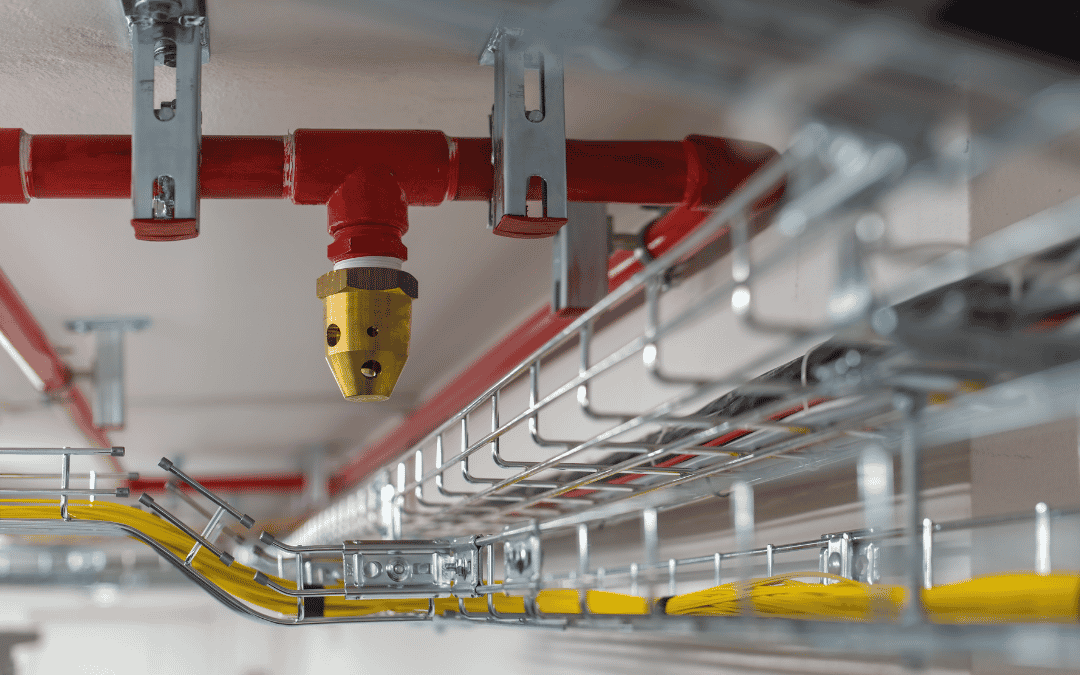
Matching Protection to Your Facility Needs
The type of suppression system your business requires directly influences your investment. Each system addresses specific fire hazards unique to different commercial environments.
Wet pipe sprinkler systems represent the most economical option for general commercial spaces, with installation costs ranging from $2 to $7 per square foot. These systems keep water in the pipes at all times, activating instantly when heat triggers a sprinkler head. Retail stores, office buildings, and warehouses commonly rely on this straightforward approach.
Dry pipe systems serve facilities where freezing temperatures pose a risk. These configurations hold pressurized air or nitrogen in the pipes until activation releases the water supply. The additional components and complexity raise costs to approximately $3 to $8 per square foot. Distribution centers and unheated storage facilities in areas experiencing cold winters typically select this protection method.
Restaurant operations face elevated expenses with specialized kitchen hood suppression systems. These installations combat grease fires with chemical agents or wet chemical solutions, requiring integration with ventilation systems and gas shutoffs. A complete kitchen hood system typically costs between $3,000 and $12,000, depending on the cooking line size and fuel type. California commercial kitchens must comply with strict ventilation and suppression requirements that influence final pricing.
Clean agent systems protect sensitive equipment and irreplaceable assets without water damage risks. Data centers, server rooms, museums, and medical facilities use these advanced solutions that discharge gases like FM-200 or Novec 1230. Installation expenses range from $15 to $50 per square foot due to sophisticated detection systems and specialized agent costs.
Pre-action systems combine features of wet and dry configurations, requiring two separate triggers before water discharges. This dual-verification approach suits environments where accidental discharge would cause catastrophic damage but reliable fire protection remains essential. Expect costs between $5 and $12 per square foot for these complex installations.
Variables That Shape Your Project Budget
Multiple factors combine to determine the final investment required for proper suppression protection. Understanding these variables helps businesses develop accurate budget projections.
Building size and layout create the foundation for cost calculations. Larger facilities require more pipe, fittings, sprinkler heads, and labor hours. Complex floor plans with numerous rooms, partitions, and ceiling heights increase material and installation time. A 5,000-square-foot single-story structure with open space costs significantly less per square foot than a multi-story building with identical total area.
Pipe material selection affects both initial expenses and long-term durability. Traditional black steel pipes remain the standard choice, balancing cost and reliability. CPVC plastic piping reduces installation labor due to lighter weight and simpler connections, potentially lowering total project expenses by 10 to 30 percent in appropriate applications. Stainless steel pipes command premium pricing but deliver superior corrosion resistance in harsh environments.
Water supply infrastructure represents a critical consideration. Buildings lacking adequate water pressure or flow capacity require booster pumps, storage tanks, or connection upgrades to municipal systems. These enhancements can add $10,000 to $50,000 or more to project totals. Properties in areas with limited water infrastructure face the highest supplemental costs.
Detection and alarm system integration adds sophistication and expense. Basic heat-activated sprinkler heads respond automatically without additional electronics. Advanced installations incorporate smoke detectors, manual pull stations, audible alarms, visual strobes, and monitoring connections to central stations or fire departments. Comprehensive detection packages typically add $1 to $3 per square foot to overall investment.
Permit fees and inspection requirements vary by jurisdiction but consistently impact budgets. California municipalities charge different rates for plan review, permit issuance, and final inspection. Some jurisdictions require multiple inspection visits throughout installation. Budget $500 to $2,500 for permitting and inspection processes, with larger or more complex projects reaching higher amounts.
Businesses operating in Lake Elsinore and surrounding Riverside County areas encounter specific regional considerations. The dry climate reduces certain corrosion concerns but increases wildfire risk awareness, potentially influencing system design choices. Seismic requirements mandate earthquake-resistant bracing and flexible connections that add to installation complexity and material costs.
Meeting State and Local Safety Mandates
California enforces rigorous fire protection standards that directly influence system design and associated costs. Compliance represents a non-negotiable aspect of commercial property management.
The California Fire Code, based on the International Fire Code with state-specific amendments, establishes minimum suppression requirements for different occupancy classifications. New commercial construction and substantial renovations trigger automatic sprinkler mandates for most building types. Existing structures face retroactive requirements when changing use classifications or exceeding specific square footage thresholds.
NFPA 13 governs the design and installation of sprinkler systems in commercial buildings, while NFPA 96 addresses kitchen hood suppression specifically. These standards dictate pipe sizing, sprinkler spacing, water flow rates, and component specifications. Professional design must demonstrate compliance before local authorities approve construction permits.
Seismic bracing requirements unique to California add material and labor costs that businesses in other states avoid. Systems must withstand earthquake forces without failure, requiring specialized hangers, sway bracing, and flexible connections at critical points. These earthquake-resistant components typically increase installation costs by 5 to 15 percent compared to identical systems in non-seismic regions.
Annual inspection and testing obligations create ongoing compliance expenses beyond initial installation. State regulations mandate professional inspection of suppression systems at specified intervals. Wet pipe systems require annual comprehensive inspections, while more complex configurations demand quarterly or semi-annual attention. Budget $150 to $500 annually for basic inspection services, with more extensive systems requiring higher investment.
Backflow prevention devices protect municipal water supplies from contamination, and California requires certified annual testing. These services typically cost $75 to $200 per device per year. Larger facilities with multiple backflow preventers face proportionally higher annual testing expenses.
Insurance companies often impose additional requirements beyond minimum code standards. Enhanced detection, monitoring, and suppression capabilities can reduce premium costs, creating a financial trade-off between higher installation investment and lower ongoing insurance expenses. Many businesses discover that upgraded systems pay for themselves through premium reductions within three to seven years.
Protecting Your Investment Over Time
Initial installation represents only the beginning of suppression system ownership costs. Proper maintenance ensures reliable operation while extending equipment lifespan and maintaining compliance.
Regular inspection services constitute the primary ongoing expense. Licensed fire protection professionals examine system components, test functionality, verify water supply adequacy, and document compliance. Basic annual inspections for straightforward wet pipe systems typically range from $150 to $400. More sophisticated installations with multiple system types, extensive detection networks, or clean agent protection require more detailed examinations costing $400 to $1,200 or more annually.
Quarterly kitchen hood system inspections represent a recurring cost for restaurant operations. These specialized examinations verify proper fusible link condition, adequate chemical agent levels, manual release functionality, and gas shutoff integration. Expect quarterly service costs between $125 and $300 per visit, depending on system complexity and cooking line size.
Five-year internal pipe inspections mandate invasive examination of sprinkler piping to detect corrosion, debris accumulation, or biological growth. This comprehensive process requires draining sections of the system and may involve removing sprinkler heads for direct pipe observation. Budget $800 to $2,500 for these periodic detailed examinations, with costs varying based on system size and accessibility.
Component replacement needs emerge over time as equipment ages or standards evolve. Sprinkler heads have a service life of approximately 50 years under normal conditions but may require earlier replacement if damaged or corroded. Individual heads cost $3 to $15 each, while specialty heads for unique applications run $20 to $75. Control valves, alarm devices, and detection equipment typically last 15 to 25 years before requiring replacement.
Dry pipe systems in colder climates demand additional attention to air compressors and nitrogen generators that maintain system pressure. These components require periodic servicing and eventual replacement. Annual compressor maintenance costs $150 to $350, while compressor replacement after 10 to 15 years of service ranges from $1,200 to $3,500.
Clean agent system recharging after discharge or testing represents a substantial expense. Refilling cylinders with specialized gases costs $500 to $5,000 or more, depending on agent type and system size. Some facilities budget annually for potential recharge expenses, while others maintain reserve funds to cover this contingency.
Businesses in Lake Elsinore benefit from establishing relationships with qualified local service providers who understand regional conditions and compliance requirements. The area’s hard water can accelerate corrosion in certain pipe materials, making regular inspection and proactive maintenance particularly valuable for long-term system reliability.
Financial Planning for Protection Investment
Thoughtful financial planning transforms suppression system installation from a burden into a manageable investment that protects business assets and ensures regulatory compliance.
Requesting multiple detailed quotes from licensed contractors provides insight into fair market pricing. Specifications should include identical scope elements to enable accurate comparison. Beware of estimates significantly below market rates, as these may indicate inadequate coverage, substandard materials, or inexperienced installation teams. Quality fire protection installation requires proper expertise and materials that meet stringent safety standards.
Phased implementation strategies allow businesses to spread costs across multiple budget cycles. Properties requiring extensive protection might install critical areas first, then complete remaining zones according to a planned timeline. This approach works best when coordinated with local authorities to ensure interim compliance and documented progress toward full system completion.
Equipment financing and lease programs offer alternatives to large upfront capital expenditures. Many fire protection companies provide financing arrangements that convert installation costs into manageable monthly payments. Lease options may include maintenance services, creating predictable monthly expenses that simplify budgeting. Interest rates and terms vary, so comparing multiple financing sources ensures optimal arrangements.
Tax incentives and depreciation benefits offset suppression system investments. These installations qualify as depreciable business property improvements, allowing cost recovery through annual depreciation deductions. The Modified Accelerated Cost Recovery System (MACRS) typically classifies fire protection systems as 39-year nonresidential real property or 15-year qualified improvement property, depending on specific circumstances. Consulting with tax professionals ensures maximum benefit from available deductions.
Insurance premium reductions frequently justify enhanced protection investments. Many carriers offer substantial discounts for properties equipped with monitored automatic suppression systems. Annual premium savings of 5 to 20 percent or more are common, particularly for high-risk occupancies. Requesting quotes that compare premiums with and without automatic protection quantifies potential savings that offset installation and maintenance costs.
Retrofit challenges in older buildings sometimes require creative solutions that impact budgets. Historic structures, buildings with limited ceiling access, or facilities with unusual construction may need specialized approaches. Surface-mounted piping, concealment systems, or alternative suppression technologies can address these challenges while controlling costs. Experienced fire protection professionals can evaluate options and recommend cost-effective solutions tailored to unique building characteristics.
Grant programs occasionally provide financial assistance for fire protection improvements, particularly for nonprofit organizations, affordable housing providers, or facilities serving vulnerable populations. While less common for standard commercial properties, researching available programs through state and local fire safety organizations may uncover unexpected funding sources.
Action Fire Protection brings extensive experience helping California businesses navigate suppression system planning and installation. Their team understands the specific requirements facing commercial properties in Lake Elsinore and throughout Riverside County. From initial consultation through installation and ongoing maintenance, they provide reliable service that ensures compliance, protects assets, and delivers long-term value. Their familiarity with local codes, permitting processes, and regional considerations streamlines projects and prevents costly delays or modifications.