Class A: Ordinary Combustibles
Class A fires involve ordinary combustible materials like wood, paper, cloth, rubber, and most plastics. These are the most common fires you’ll encounter in homes and businesses throughout Lake Elsinore. In our hot, dry climate, materials can become extremely dry and ignite more easily, especially during Santa Ana wind conditions when humidity drops significantly.
For Class A fires, water and foam extinguishers work best because they cool the burning material and penetrate deep into the fuel source. The multi-purpose ABC dry chemical extinguishers are also effective and are what we typically recommend for most commercial properties in the area. These extinguishers coat the material and interrupt the chemical reaction of the fire.
When fighting a Class A fire, aim at the base of the flames and use a sweeping motion. Don’t just spray at the visible flames; you need to saturate the burning material to prevent re-ignition. In our desert climate, materials can stay hot enough to reignite for longer than in more humid areas, so thorough extinguishment is critical.
Class B: Flammable Liquids
Class B fires involve flammable liquids and gases such as gasoline, oil, grease, acetone, and propane. These fires are particularly dangerous because they can spread rapidly and explosively. In Lake Elsinore’s industrial facilities, auto shops, and restaurant kitchens, Class B fire risks are a daily concern.
Never use water on a Class B fire. Water is denser than most flammable liquids, so it sinks below the fuel and can actually spread the fire by causing the burning liquid to float and disperse. Instead, use CO2 extinguishers or dry chemical extinguishers rated for Class B fires. These work by smothering the fire and cutting off its oxygen supply.
For kitchen grease fires, which are technically Class K but share characteristics with Class B, many restaurants in the area have learned the hard way that the wrong extinguisher can make things worse. CO2 extinguishers are excellent for Class B fires because they leave no residue, making them ideal for areas with sensitive equipment or food preparation spaces. The dry chemical ABC extinguishers also work but will leave a powder residue that requires thorough cleanup.
Class C: Electrical Equipment
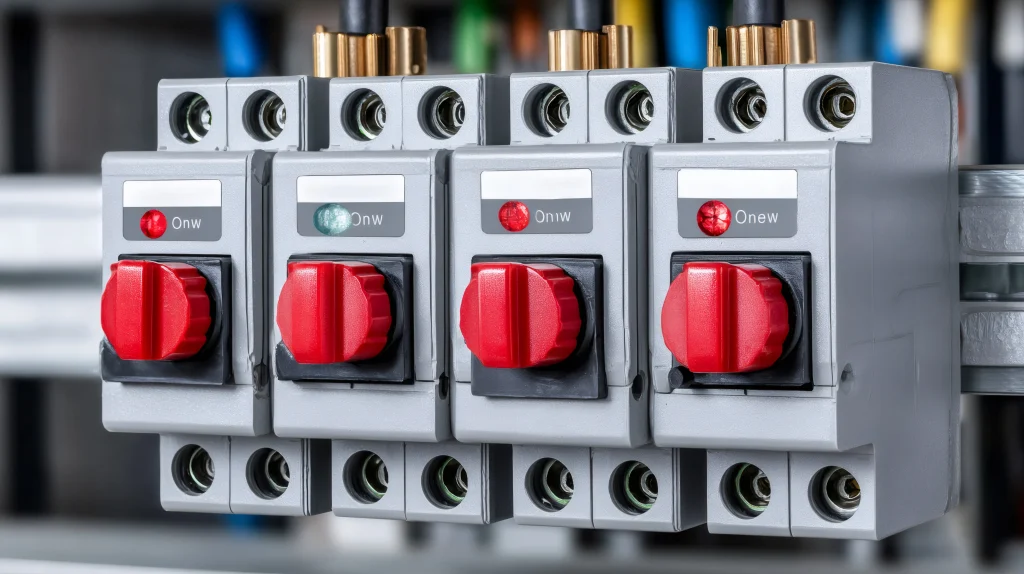
Class C fires involve energized electrical equipment, including wiring, circuit breakers, motors, appliances, and any other electrical source. With the increasing electrical demands in modern Lake Elsinore facilities, from HVAC systems working overtime in triple-digit summers to sophisticated manufacturing equipment, electrical fire risks are ever-present.
The critical rule for Class C fires is to never use water-based extinguishers. Water conducts electricity and can cause electrocution or spread the fire through electrical pathways. CO2 and dry chemical extinguishers are safe options because they are non-conductive. Once the power source is shut off, the fire technically becomes Class A or Class B, depending on what’s burning.
In many cases, the best first response to an electrical fire is to cut the power at the breaker if you can do so safely. However, many people don’t know where their electrical panels are or hesitate in emergencies. Regular fire safety training helps your team respond confidently. We see this often with commercial clients where a small electrical fire in a control panel could have been contained quickly if someone had known to hit the emergency shutoff first.
Class D: Combustible Metals
Class D fires involve combustible metals such as magnesium, titanium, sodium, lithium, and potassium. While less common than other fire classes, these fires are extremely dangerous and require specialized extinguishing agents. If your Lake Elsinore facility works with metal fabrication, aerospace components, or certain manufacturing processes, you need to be aware of this risk.
Combustible metal fires burn at extremely high temperatures and react violently with water and most standard extinguishing agents. Using the wrong extinguisher can cause explosive reactions. Class D fires require dry powder extinguishing agents specifically designed for the particular metal involved. There’s no universal Class D extinguisher; different metals require different agents.
If your operation involves combustible metals, you need a specific fire safety plan that includes the right extinguishers positioned near the hazard, employee training on the unique risks, and often coordination with local fire departments who may not regularly encounter these fires. Most general commercial properties don’t need Class D extinguishers, but specialized facilities absolutely do, and having the wrong equipment is as dangerous as having none at all.
Class K: Kitchen Fires
Class K fires involve cooking oils, greases, and fats in commercial cooking equipment. These fires were separated from Class B because they require different extinguishing methods due to the high temperatures at which cooking oils ignite. Every restaurant and commercial kitchen in Lake Elsinore should have Class K extinguishers positioned near cooking equipment.
Kitchen fires are particularly tricky because hot cooking oil can exceed 600 degrees Fahrenheit. Even after you think you’ve extinguished the flames, the oil remains hot enough to auto-ignite if oxygen returns. Class K extinguishers use a wet chemical agent that cools the oil and creates a soapy foam barrier that prevents re-ignition. This is why you can’t just use a regular ABC extinguisher on a deep fryer fire.
We work with numerous restaurants throughout the area, and kitchen hood systems with automatic suppression are required by code for good reason. However, portable Class K extinguishers are still necessary as a backup and for fires that start outside the hood coverage area. During busy dinner rushes when kitchens are running hot and staff are moving fast, having the right equipment in the right location can mean the difference between a minor incident and a total loss. Proper placement and regular training ensure your team knows exactly where to grab that Class K extinguisher when seconds count.